Imagine this scenario: you moved into your Houston home a few years ago, used the fireplace a handful of times, and have not thought much about the chimney since. Then one evening you notice a faint, musty smell drifting from the firebox, or maybe you spot a dark stain spreading across the ceiling near the chimney. These quiet warning signs often point to problems that have been developing unseen — creosote buildup, moisture damage, animal nesting, or structural cracks inside the flue. A professional chimney inspection service in Houston, TX is the single most reliable way to catch these issues early, protect your household, and avoid costly emergency repairs. Chimney Sweep Pros Houston provides thorough, locally focused inspections designed for the specific conditions Houston homeowners face every season.
Key Takeaways
- Houston’s high humidity, heavy rainfall, and storm activity accelerate chimney deterioration faster than in drier climates — making annual inspections essential.
- A chimney inspection is a diagnostic evaluation, not the same as chimney cleaning — understanding the difference helps you make better service decisions.
- Professional inspections evaluate every component from cap to firebox, identifying carbon monoxide risks, moisture intrusion, structural cracks, and animal nesting.
- Extremely low-priced inspection offers often lead to high-pressure upselling — look for transparent scoping, photo documentation, and honest prioritization.
- Scheduling an inspection before buying or selling a Houston home protects both parties and can prevent costly surprises after closing.
- Warning signs like smoke entering the room, persistent odors, water stains, or animal sounds warrant immediate professional evaluation.
Is Your Chimney Overdue for an Inspection?
Find out exactly what condition your chimney is in before the next season. Honest evaluations, clear findings, zero pressure.
Schedule Your Inspection Today
Or call now: (713) 936-5535
Why Does Houston’s Climate Make Chimney Inspections Especially Important?
Houston is not the first city people associate with fireplace problems, and that false sense of security is part of the risk. High humidity, heavy rainfall, sudden temperature swings, and active storm seasons create a unique set of stressors on chimney systems. Moisture penetrates masonry joints, flashing loosens under repeated rain, and long stretches of fireplace inactivity invite birds, raccoons, and insects to nest inside the flue. According to the Chimney Safety Institute of America, even chimneys that are rarely used should be inspected annually because deterioration and nesting can develop without the homeowner ever noticing.
The Houston Fire Department echoes this guidance, recommending annual inspections of all vented heating appliances by a qualified technician. A chimney inspection in Houston is not just a formality — it is a preventive measure shaped by local weather realities that accelerate wear faster than in drier climates.
What Exactly Happens During a Professional Chimney Inspection?
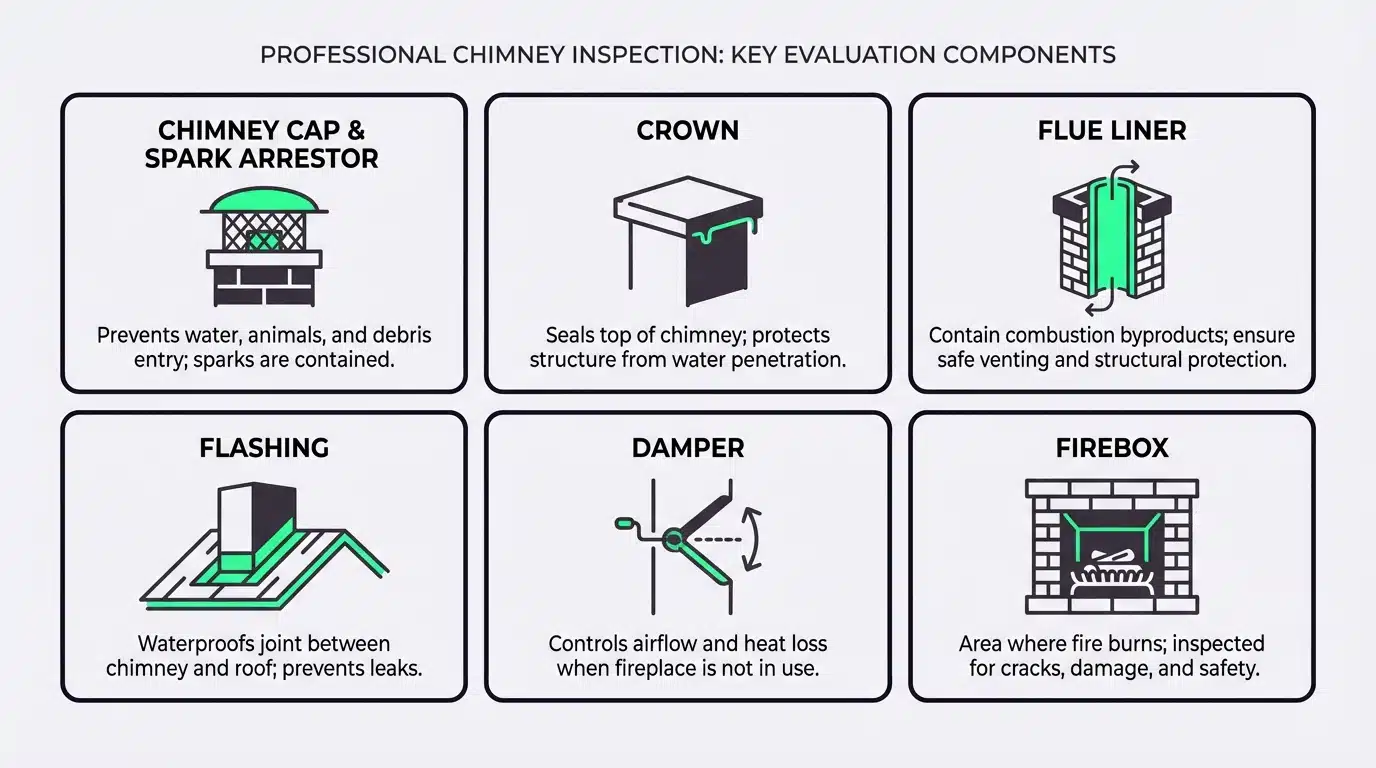
Which Components Are Evaluated?
A professional chimney inspection is a systematic, top-to-bottom review of every accessible component in the chimney and fireplace system. The technician evaluates the chimney cap and spark arrestor, the crown, the exterior masonry, the flashing where the chimney meets the roofline, the flue liner, the smoke chamber, the damper, and the firebox. Each element serves a distinct safety or performance function, and weakness in any one of them can affect the entire system. In Texas, the Texas Real Estate Commission outlines specific deficiency reporting standards for fireplaces and chimneys, and a thorough professional inspection typically meets or exceeds those benchmarks.
When the inspection reveals heavy creosote accumulation, the recommended next step is usually professional chimney sweeping and cleaning to restore safe operating conditions before the fireplace is used again.
Do I Really Need a Chimney Inspection Every Year?
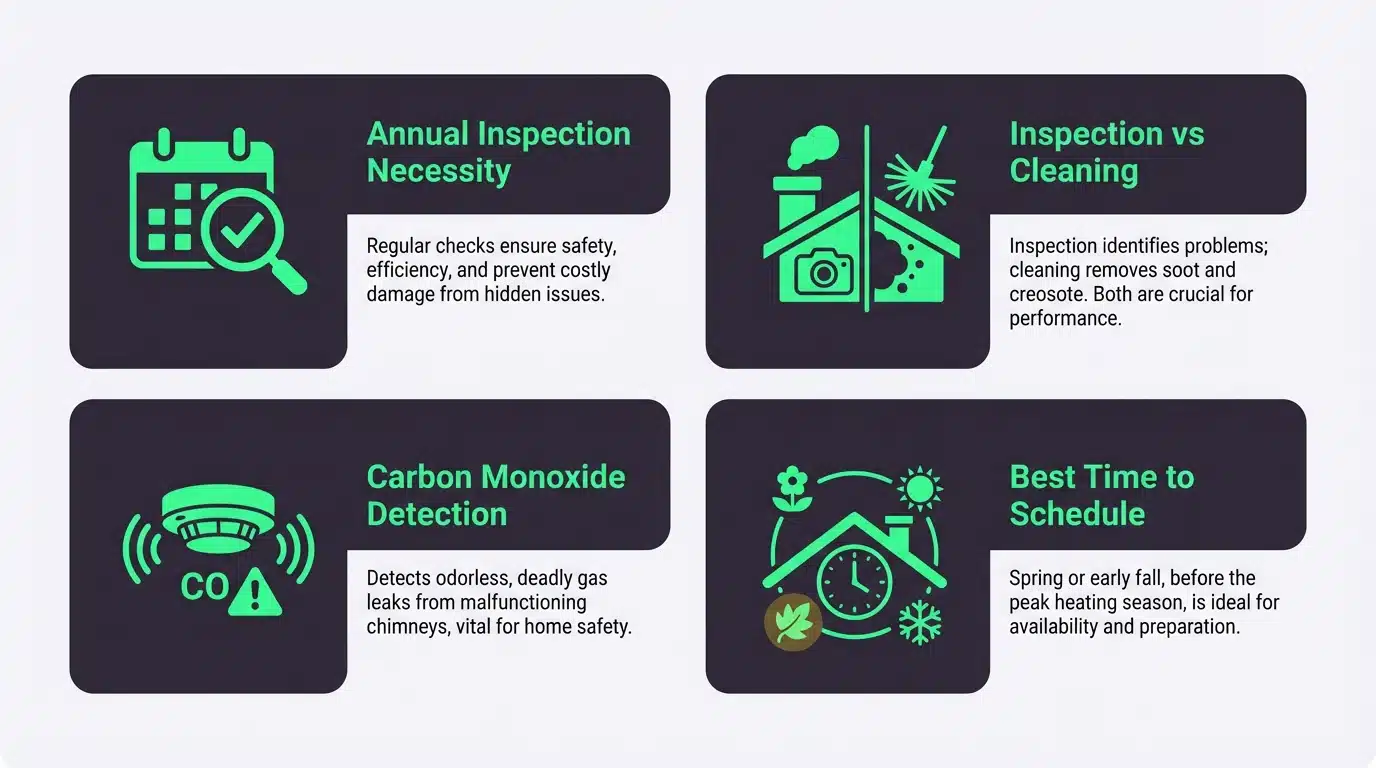
Yes — and this applies even if you light a fire only a few times each winter or have not used the fireplace at all. The most common objection homeowners raise is, “I barely use it, so why inspect it?” The answer lies in what happens to an idle chimney. Moisture migrates into mortar joints year-round. Animals look for sheltered nesting spots regardless of whether a fire has been lit. The damper can rust into a partially open position, letting conditioned air escape and outdoor humidity in. The U.S. Environmental Protection Agency and the National Fire Protection Association both recommend annual professional inspections to confirm that the system is structurally sound and free of hazardous deposits.
Skipping even a single year can allow a small crack in the flue liner or a minor crown chip to escalate into a problem that costs several times more to repair. An annual chimney inspection is a modest investment that consistently pays for itself in avoided damage.
Did You Know?
According to the National Fire Protection Association, failure to clean chimneys is the leading factor contributing to home heating fires. Annual inspections are the first step in identifying when cleaning is needed.
A Common Mistake: Confusing Chimney Inspection with Chimney Cleaning
Many Houston homeowners assume that “inspection” and “cleaning” mean the same thing. They do not. A chimney inspection is a diagnostic evaluation — its purpose is to identify what condition the system is in, whether any hazards exist, and what maintenance or repairs are needed. Chimney cleaning, on the other hand, is the physical removal of soot, creosote, and debris from the flue and smoke chamber. Some homes need both services at the same visit; others may only need an inspection if the chimney is relatively clean and structurally sound.
Understanding this distinction helps you make better decisions when booking service. If your fireplace has been running well and you simply want a yearly safety check, an inspection alone may be appropriate. If there has been heavy use, visible soot, or noticeable odor, combining cleaning with the inspection usually makes sense. Chimney Sweep Pros Houston evaluates the chimney condition first, then provides clear recommendations so you know exactly what you are paying for — and why.
How Long Should a Chimney Inspection Take?
A standard chimney inspection for a single-flue residential system typically takes between 45 and 90 minutes. The duration depends on the chimney’s height and accessibility, the type of fireplace — wood-burning, gas, or prefabricated — and whether additional tools such as a video camera are needed to examine the interior flue. An older chimney with suspected damage will naturally take longer because the inspector needs to document conditions carefully and may need roof access.
Be cautious of any service that claims it can complete a full inspection in 15 or 20 minutes. A rushed visit often means components are being skipped, findings are vague, and the follow-up may involve high-pressure upselling based on incomplete information.
What Influences the Cost of a Chimney Inspection in Houston?
Key Price Factors
The cost of a chimney inspection in Houston can vary based on several practical factors: the inspection level required, chimney height and accessibility, the type of fireplace system, whether camera scanning is included, and the extent of any visible damage that needs documentation. A straightforward annual safety inspection is typically the most affordable option. More detailed inspections involving video scanning or evaluation of concealed components will cost more because of the added equipment and time involved.
Rather than chasing the lowest advertised price, focus on what is included. A thorough inspection that identifies a cracked flue liner early can save thousands of dollars in structural repairs later. Chimney Sweep Pros Houston provides transparent scoping before the visit so homeowners understand what the service covers and what to expect.
Why Extremely Cheap Inspections Deserve Skepticism
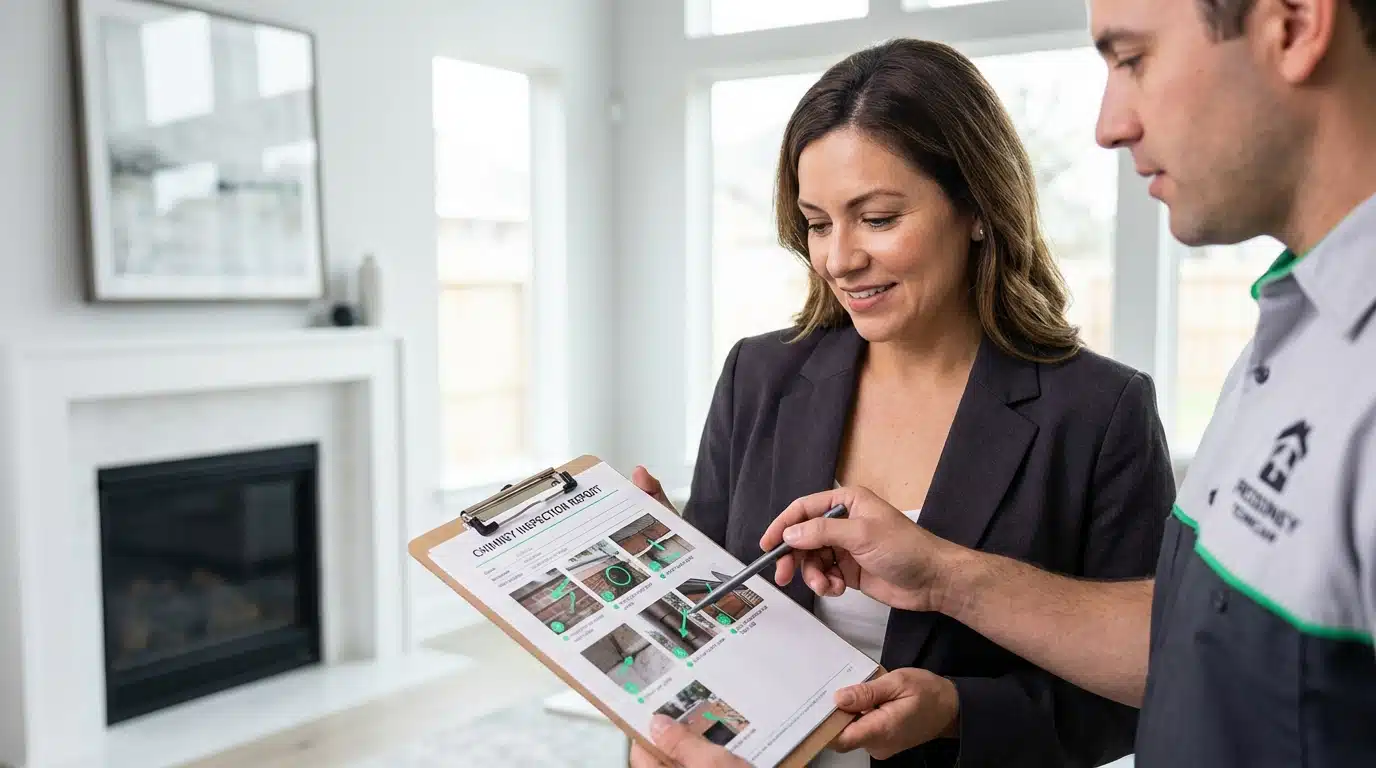
Online forums and homeowner discussions frequently highlight a frustrating pattern: a company offers a chimney inspection at an unusually low price, then arrives and rushes through the visit, only to present an alarming list of expensive repairs with little documentation. The U.S. Consumer Product Safety Commission emphasizes that inspections should be performed thoroughly and by qualified professionals — not used as a sales funnel for unnecessary work.
A trustworthy chimney inspection company provides clear findings, photo documentation when relevant, honest prioritization of what is urgent versus what can be monitored, and no pressure to approve repairs on the spot. This approach is central to how Chimney Sweep Pros Houston operates, giving homeowners the information they need to make confident decisions on their own timeline.
Tip for Houston Homeowners
Before booking any chimney service, ask for a written scope of work that lists every component that will be evaluated. If a company cannot tell you exactly what the inspection covers, that is a clear warning sign.
Comparing Scenarios: When Is Inspection Enough vs. When Do You Need More?
This kind of practical guidance is part of what sets a dependable chimney service apart. Rather than applying the same recommendation to every home, the evaluation should drive the recommendation.
Not Sure What Your Chimney Needs?
Chimney Sweep Pros Houston will evaluate your system first and recommend only what is necessary. No guesswork, no unnecessary upsells.
How a Chimney Inspection Helps Protect Against Carbon Monoxide
Carbon monoxide is an invisible, odorless gas produced when fuel-burning appliances do not vent properly. A cracked flue liner, a blocked chimney, or a deteriorated mortar joint can allow CO to seep into living spaces instead of exiting through the top of the chimney. The Texas Health and Safety Code specifically addresses the dangers of carbon monoxide from improperly maintained fossil-fuel-burning appliances, and the Texas Department of Insurance advises homeowners to keep fireplaces clean and flues open during use.
A chimney inspection in Houston directly evaluates the venting pathway for obstructions, cracks, and other conditions that could allow CO to enter the home. If the inspection reveals flue damage or masonry cracks that compromise the seal, expert chimney repair services can address the problem before it becomes a health hazard. Pairing regular inspections with properly placed CO alarms throughout the home creates a layered safety approach that significantly reduces risk.
Houston’s Moisture Problem: What It Does to Your Chimney
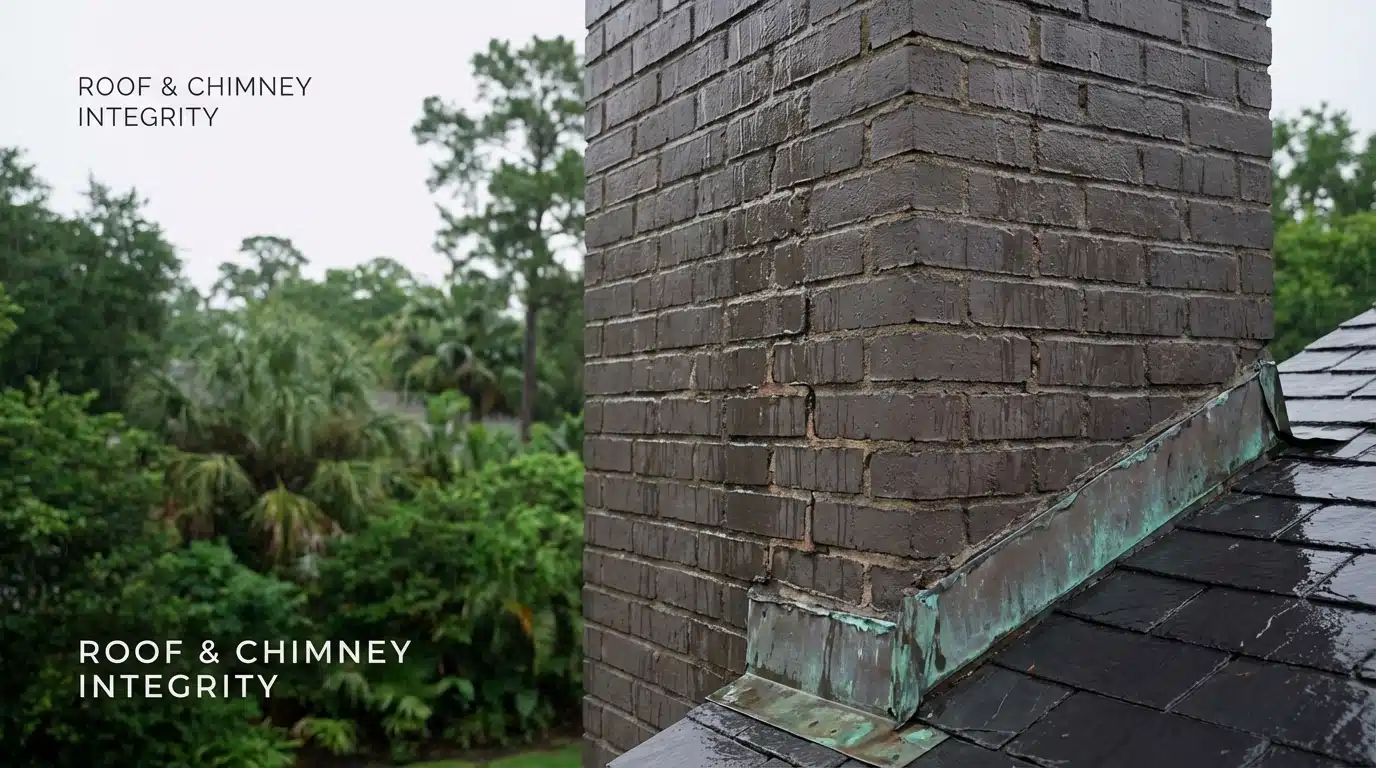
Houston averages roughly 50 inches of rain per year, and the region’s humidity rarely drops below uncomfortable levels. For a chimney, this means constant exposure to moisture from every direction — rain falling directly into an uncapped or poorly capped flue, wind-driven rain penetrating flashing seams, and ambient humidity slowly degrading mortar from the outside in. FEMA guidance on roof flashing highlights that damaged or deteriorating flashing around roof projections like chimneys is one of the most common pathways for moisture intrusion, leading to corrosion, rot, and structural compromise.
Inside the chimney, trapped moisture encourages mold growth, rusts metal components like the damper and firebox grate, and causes the flue liner to crack during freeze-thaw cycles — even Houston’s occasional cold snaps can trigger this. A professional inspector trained in identifying and fixing chimney leaks knows where to look for early signs of water damage that a homeowner would likely miss from ground level.
Did You Know?
Water is considered the single greatest enemy of masonry chimneys. The Chimney Safety Institute of America identifies moisture penetration as a primary cause of chimney deterioration that can lead to thousands of dollars in structural repairs if left unchecked.
What Are the Warning Signs That You Need an Inspection Right Now?
Certain symptoms should prompt immediate scheduling rather than waiting for the next annual checkup:
- Smoke entering the room when the fireplace is in use suggests a draft problem, a blockage, or flue damage.
- A strong, persistent odor coming from the fireplace — especially in warm weather — often indicates creosote deposits reacting with humidity or organic material decaying inside the flue.
- Visible cracking on the exterior masonry or white staining called efflorescence signals moisture intrusion.
- Dark water marks on the ceiling or walls near the chimney indicate an active leak.
- Sounds of animals inside the flue mean the chimney may be blocked, creating fire and carbon monoxide hazards.
Delaying an inspection after noticing these signs does not save money. It typically increases the scope and cost of whatever repair turns out to be necessary.
What Happens After the Inspection Finds a Problem?
Not every inspection finding means a major repair bill. A good chimney inspection company explains each finding clearly, provides photo documentation when available, and separates urgent issues from items that can be monitored over time. A blocked flue, a cracked liner with visible separation, an active leak, or severe creosote buildup are conditions that typically require prompt action. Minor mortar wear on exterior joints, early-stage crown weathering, or a chimney cap that is functional but aging may be flagged for future attention without requiring immediate work.
This honest prioritization is one of the practical advantages of working with Chimney Sweep Pros Houston. The goal is to give homeowners a clear, documented picture of their chimney’s condition and let them make informed decisions — not to pressure anyone into approving repairs before they understand what is happening and why.
Thinking About Buying or Selling a Houston Home? Schedule an Inspection First
A chimney inspection before a real estate transaction protects both buyers and sellers. For buyers, it uncovers hidden safety issues and helps estimate future maintenance costs before closing. For sellers, it provides documentation that the chimney is in good working order — or gives time to make repairs that could otherwise become negotiation sticking points. Texas real estate inspectors are required to report fireplace and chimney deficiencies under TREC standards, but a dedicated chimney inspection goes deeper than the general home inspection and often catches issues that a generalist would not identify.
How to Evaluate a Chimney Inspection Company Before You Book
Choosing the right chimney inspection company in Houston comes down to a few practical checkpoints:
- Ask what the inspection includes before you schedule — a reputable company will be specific.
- Find out whether the inspector provides photos or a written report of findings.
- Confirm whether the quoted price covers the full inspection or if camera scanning and other tools are billed separately.
- Ask what happens if damage is found: do they explain options and let you decide, or do they push for immediate approval?
Red flags include vague descriptions of what is covered, pressure to sign repair contracts during the visit, extremely low teaser pricing that does not match the market, and no documentation of findings. A professional chimney inspection company earns trust through transparency, thorough work, and clear communication — qualities that Chimney Sweep Pros Houston builds into every service visit.
Ready to Find Out What Condition Your Chimney Is In?
Whether your fireplace has been running all season or sitting idle for years, the only way to know the true condition of your chimney is a professional inspection. Get clear findings, practical recommendations, and zero high-pressure tactics.
Or call: (713) 936-5535
Frequently Asked Questions About Chimney Inspection in Houston

About the Author
Chimney Sweep Pros Houston
Chimney Sweep Pros Houston provides professional chimney inspection, cleaning, repair, and maintenance services to homeowners across the greater Houston, TX area. Every article is written to deliver practical, accurate guidance rooted in real-world chimney service experience and industry standards.